
Choosing between Express Entry and Provincial Nominee Programs (PNPs) feels like picking between two promising paths to the same destination: Canadian permanent residence. But here's the million-dollar question: which one will actually get you there faster in 2026?
The short answer? Express Entry wins the speed race by a landslide.
Express Entry applications typically process in 4–6 months, while Provincial Nominee Programs can take anywhere from 12–19 months. That's potentially over a year difference! But before you jump on the Express Entry bandwagon, let's dig deeper into what each program offers and why timing might not be your only consideration.
What is Express Entry?
Think of Express Entry as Canada's fast-track immigration highway. It's a points-based system that manages three federal economic programs:
- Federal Skilled Worker Program
- Canadian Experience Class
- Federal Skilled Trades Program
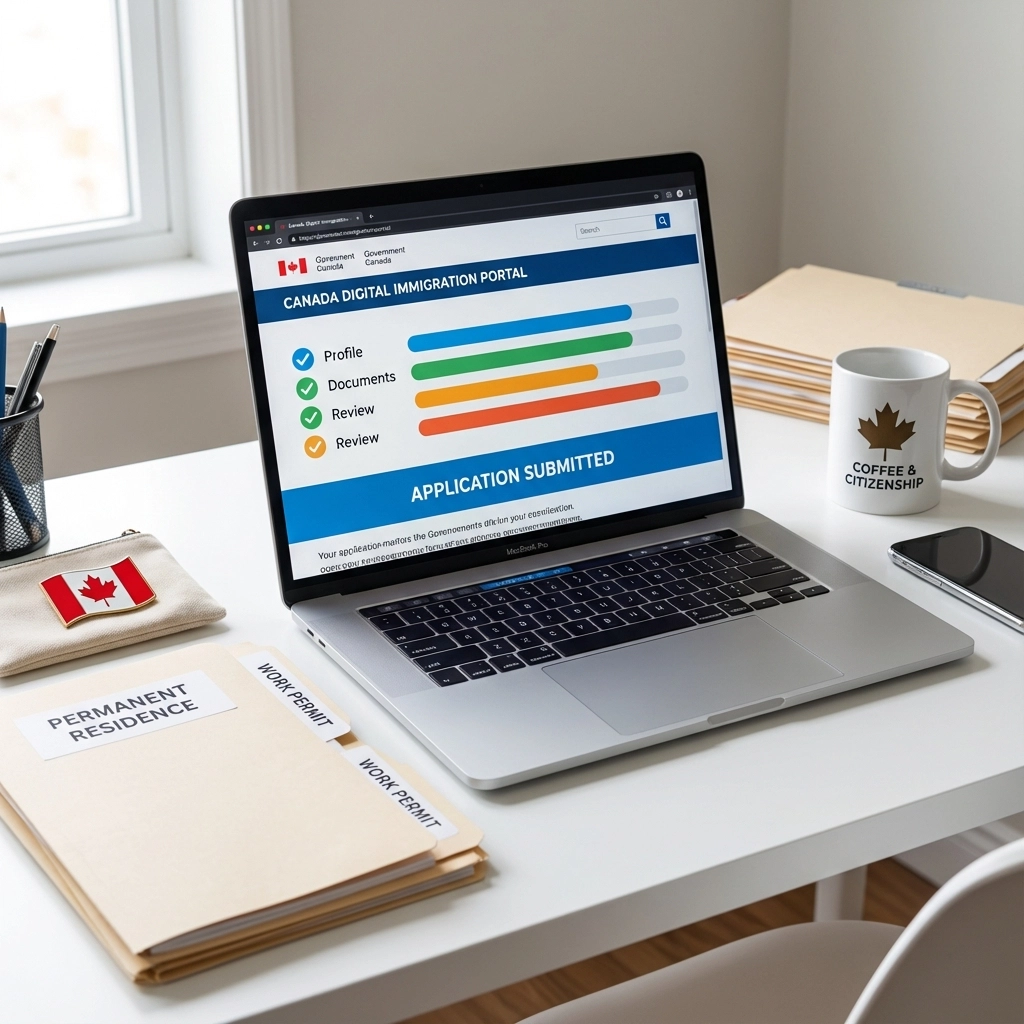
You create an online profile, get scored on factors like age, education, language skills, and work experience, then wait in the pool. If your score is high enough during regular draws (typically every two weeks), you get an Invitation to Apply (ITA) for permanent residence.
Express Entry in 2026: What's New?
The 2026 landscape brings some exciting updates. Canada continues its category-based selection approach, targeting specific occupations like healthcare workers, STEM professionals, and French speakers. This means if you work in high-demand fields, your chances of getting invited have significantly improved.
The Comprehensive Ranking System (CRS) still dominates, but recent draws have shown more targeted invitations. Translation? If you're in the right profession, you might not need that sky-high CRS score anymore.
Provincial Nominee Programs Explained
PNPs are Canada's way of letting provinces and territories handpick immigrants who meet their specific economic needs. Each province (except Quebec, which has its own system) runs unique streams targeting different types of workers, entrepreneurs, and graduates.
Popular PNP streams include:
- Ontario Immigrant Nominee Program (OINP)
- British Columbia Provincial Nominee Program (BC PNP)
- Alberta Immigrant Nominee Program (AINP)
- Saskatchewan Immigrant Nominee Program (SINP)
The beauty of PNPs? They often have lower requirements than Express Entry and cater to specific provincial needs.
PNP Changes in 2026
Provincial programs have become increasingly sophisticated in 2026. Many provinces now offer enhanced streams for international graduates, healthcare workers, and skilled trades. Some provinces have also streamlined their processes, though processing times remain longer than Express Entry.
The Speed Showdown: Processing Times Compared
Here's where the rubber meets the road. Express Entry applications typically take 5-6 months to process, while PNP applications can take 12-19 months. That's not a small difference: it's potentially an entire year of your life!
Why such a dramatic gap? Several factors contribute:
Express Entry advantages:
- Federal program with dedicated processing capacity
- Streamlined digital system
- Higher processing priority
- More predictable timelines
PNP challenges:
- Two-step process (provincial nomination + federal processing)
- Limited provincial processing capacity
- Backlogs ranging from 30-49% in some programs
- Additional documentation requirements
But here's the plot twist: if you apply to a PNP stream that's aligned with Express Entry (called "enhanced" PNP streams), you can combine the benefits. You get the provincial nomination (which adds 600 points to your CRS score, virtually guaranteeing an ITA), then benefit from Express Entry's faster federal processing.
Factors That Affect Your Timeline
Your personal situation dramatically impacts which path makes sense:
Choose Express Entry if you:
- Have a high CRS score (typically 480+)
- Work in a targeted occupation
- Speak excellent English/French
- Want the fastest route possible
- Have Canadian education or work experience
Consider PNPs if you:
- Have a lower CRS score
- Work in a province-specific in-demand occupation
- Have ties to a particular province
- Don't mind the longer wait for more certainty
- Have experience or education that aligns with provincial priorities

Strategic Timing Considerations for 2026
Smart applicants often pursue both paths simultaneously. There's no rule against having an Express Entry profile while also applying to PNPs. This dual strategy maximizes your chances while keeping options open.
The hybrid approach:
- Create your Express Entry profile first
- Research PNP streams that match your background
- Apply to relevant enhanced PNP streams
- If you get a provincial nomination, you'll receive 600 additional CRS points
- Receive an ITA in the next Express Entry draw
- Process through the faster Express Entry system
This strategy often results in the best of both worlds: higher success probability from PNPs with faster processing from Express Entry.
Hidden Factors That Impact Speed
Beyond official processing times, several factors can affect your actual timeline:
Documentation readiness: Having all documents prepared and properly formatted can save weeks or months.
Medical exams and police certificates: These can take time to obtain and have expiry dates, so timing matters.
Provincial nomination validity: PNP nominations are typically valid for 6 months, creating pressure to submit your application quickly.
Application completeness: Incomplete applications face delays, requests for additional information, or rejection.
2026 Success Tips for Both Pathways
For Express Entry success:
- Improve your language test scores: they have the biggest impact on CRS points
- Consider Canadian education or gaining Canadian work experience
- Research category-based draws in your occupation
- Network within your professional field in Canada
For PNP success:
- Research provincial labor market priorities thoroughly
- Ensure your occupation appears on provincial in-demand lists
- Consider smaller provinces with less competition
- Build connections in your target province

Making the Right Choice for Your Situation
The "faster" option isn't always the "better" option. Express Entry might process faster, but PNPs often offer more certainty for applicants who don't meet Express Entry's high standards.
Consider your priorities:
- Speed above all: Express Entry (if you qualify)
- Certainty over speed: PNPs (if you match provincial needs)
- Best of both: Enhanced PNP streams through Express Entry
Current 2026 Immigration Landscape
Canada's immigration levels plan for 2026 maintains ambitious targets, creating opportunities in both programs. However, increased competition means having a solid strategy is more important than ever.
Recent trends show:
- More frequent Express Entry draws
- Lower CRS score requirements for targeted occupations
- Enhanced provincial programs for specific sectors
- Streamlined processing for certain applicant categories

The Bottom Line
Express Entry wins on speed, but PNPs win on accessibility. If you have a competitive profile and work in a targeted occupation, Express Entry offers the fastest path to permanent residence. If your CRS score needs a boost or you have specific provincial connections, PNPs provide more realistic opportunities despite longer processing times.
The smartest approach? Don't put all your eggs in one basket. Explore both options, understand your strengths, and choose the strategy that aligns with your timeline and qualifications.
Remember, immigration rules and processing times change frequently. What works best in early 2026 might shift by year-end. Stay informed, remain flexible, and consider professional guidance to navigate these complex pathways successfully.
Your Canadian dream is achievable through either route: it's just a matter of choosing the path that fits your unique circumstances and timeline.
This article was prepared by Mac Virgilio Pagaduan Jr, RCIC R533465, CEO and President of Canada Vertex Immigration Ltd. Member of CAPIC. For personalized immigration advice, contact our team to discuss your specific situation.









3 Responses