
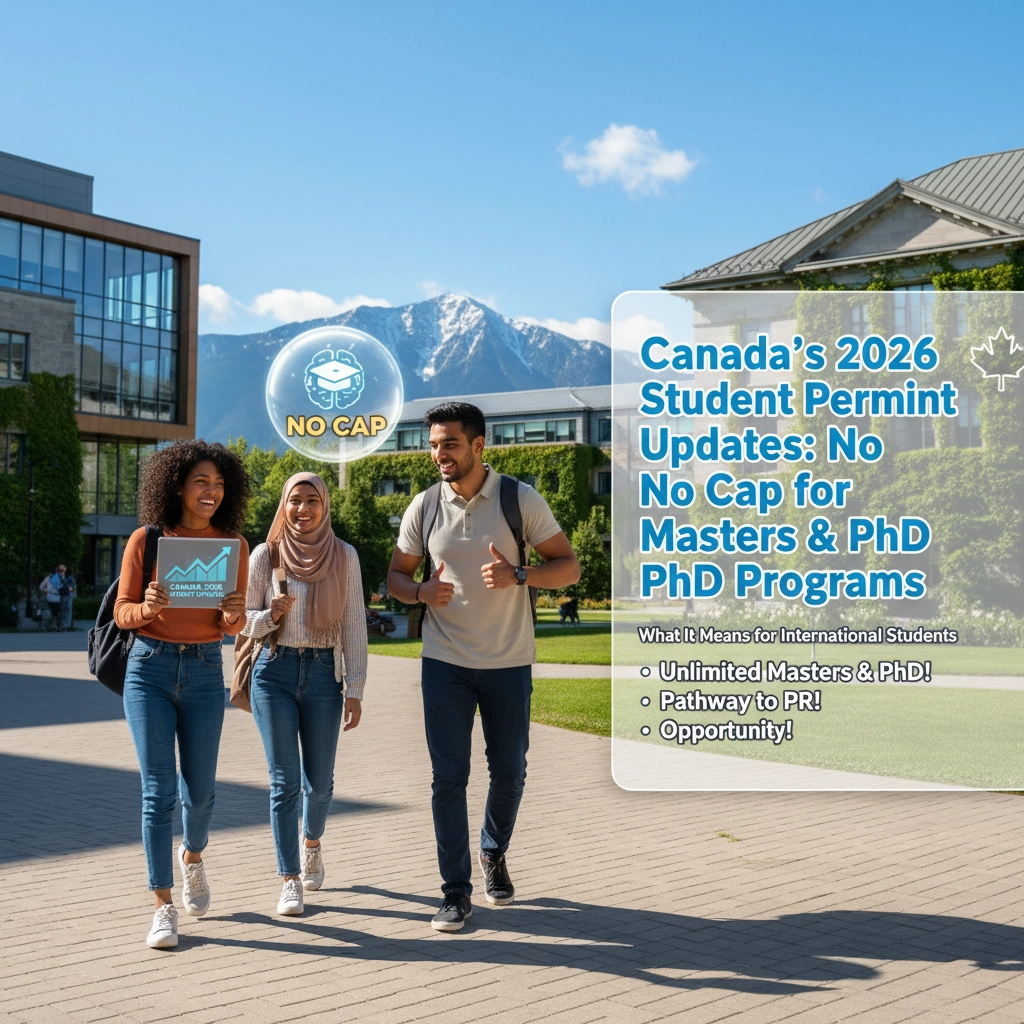
Big news is coming your way if you're dreaming of pursuing graduate studies in Canada! Starting January 1, 2026, just around the corner, Canada is rolling out game-changing updates to its student permit system that could make your path to a Canadian Master's or PhD degree significantly smoother.
While Canada has been tightening the reins on international student admissions overall, graduate students are getting some serious VIP treatment. Let's dive into what these changes mean for you and why this might be the perfect time to consider taking your education to the next level in the Great White North.
What's Actually Changing Come 2026?
Here's the scoop: Canada is essentially giving Master's and PhD students at public universities a golden ticket. Starting January 1, 2026, these students will be completely exempt from the study permit caps that are making life tough for other international students.
Think about it this way, while undergraduate and college students will be competing for just 155,000 study permits in 2026 (a massive drop from previous years), graduate students at public institutions won't have to worry about quotas at all. No caps, no competition for limited spots, no stress about whether there's room for you.
But that's not all. The Provincial or Territorial Attestation Letter (PAL) requirement? Gone for graduate students. If you've been following immigration news, you know how much of a headache these letters have been, causing delays and adding extra bureaucracy to an already complex process.
And here's where it gets really exciting, processing times are getting a major speed boost. PhD applicants can expect their applications processed in as little as two weeks once their acceptance letter is verified. Master's students will also see significantly faster timelines thanks to reduced paperwork requirements.
Who Gets These Sweet Benefits?
Before you get too excited, let's make sure you qualify. These exemptions apply specifically to Master's and Doctoral degree programs at public Designated Learning Institutions (DLIs). We're talking about research universities like the University of Toronto, McGill, UBC, University of Alberta, and similar institutions across the country.
Here's what counts:
- Master's degree programs at public universities
- PhD programs at public universities
- Research-focused graduate programs
Here's what doesn't:
- Undergraduate programs (even at public universities)
- College diplomas or certificates
- Any program at private institutions
- Graduate programs at private colleges
The distinction between public and private is crucial here. Even if a private institution offers excellent Master's or PhD programs, they won't benefit from these new exemptions.
The Benefits Go Beyond Just Getting In
Once you're accepted into a qualifying graduate program, you're not just getting easier admission, you're unlocking a whole package of advantages that can transform your Canadian experience.
Your spouse can get an open work permit while you study, meaning they can work for any employer in Canada without being tied to a specific job or company. That's huge for couples planning their future together in Canada.
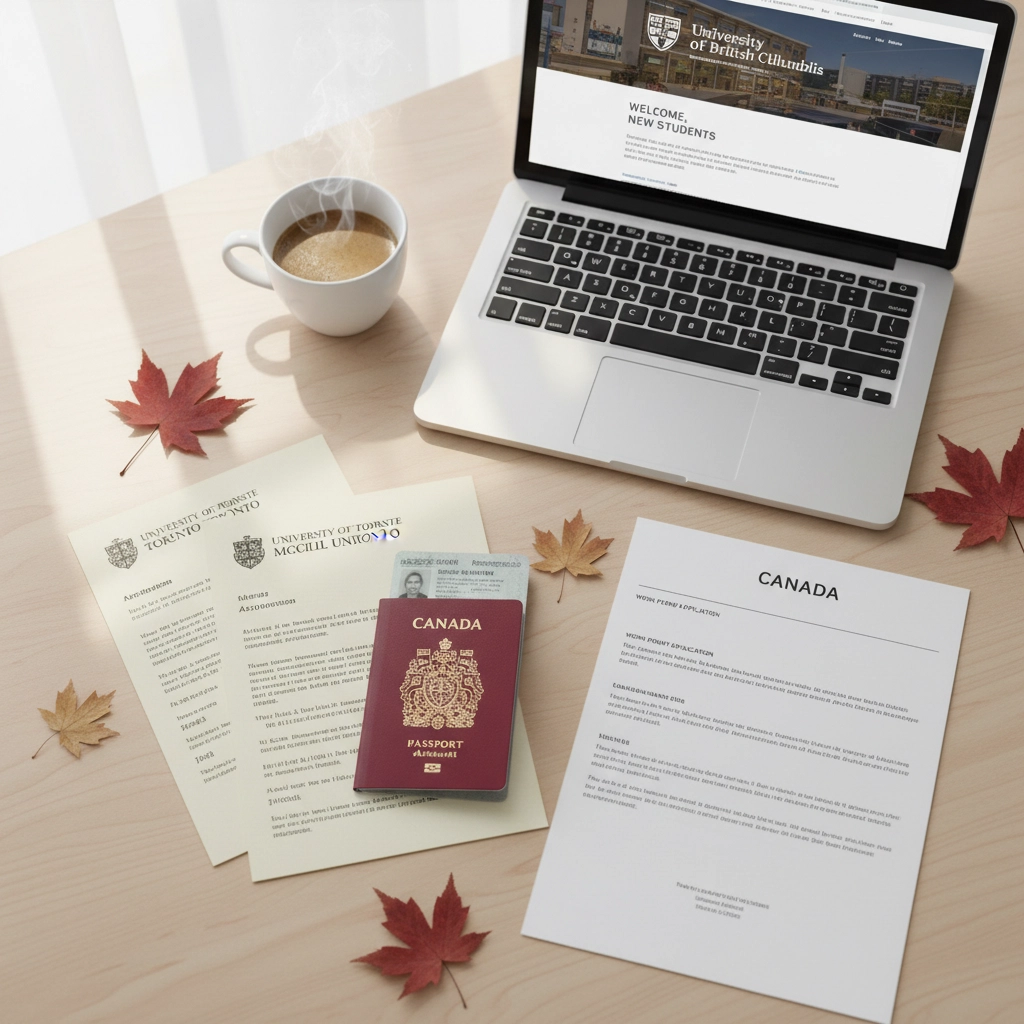
You're also guaranteed a Post-Graduation Work Permit (PGWP) regardless of your field of study. While some undergraduate programs in certain fields have been losing PGWP eligibility, graduate students maintain this crucial pathway to Canadian work experience and potentially permanent residence.
The biometric requirements are more flexible too, you'll have 14 days to provide your biometrics after receiving the instruction letter, giving you more scheduling flexibility.
Let's Talk Money: What You Need to Show
Here's the reality check: Canada has updated its financial requirements as of September 2025, and the numbers are significant. You'll need to demonstrate you have enough funds not just for tuition, but for living expenses too.
For a single student, you're looking at a minimum of $22,895 CAD annually beyond tuition costs. If you're bringing family, the requirements jump to $28,502 for two people, $35,040 for three, and so on. Each additional family member adds about $6,170 to your required funds.
These aren't small amounts, but remember, you're investing in a Canadian graduate degree that could open doors to permanent residence, excellent career opportunities, and a high quality of life.
Why This Matters in the Bigger Picture
Canada's making a strategic play here. While they're dramatically reducing overall international student numbers, we're talking about cuts from over 300,000 permits to 155,000, they're actively courting graduate students.
This isn't accidental. Graduate students typically stay in Canada longer, contribute to research and innovation, and are more likely to become permanent residents. Canada wants the brightest minds working on advanced degrees at their top universities.

For undergraduate and college-bound students, the landscape has become brutally competitive. But if you have the qualifications and motivation for graduate studies, Canada's essentially rolling out the red carpet.
Practical Tips for Your Application
Ready to take advantage of these changes? Here's how to position yourself for success:
Start researching programs now. With January 1, 2026, just weeks away, universities are already planning their 2026 intake. Many graduate programs have application deadlines months in advance, so don't wait.
Focus on public universities. Private institutions, no matter how prestigious, won't give you these exemption benefits. Stick to public DLIs to maximize your advantages.
Prepare your financial documentation early. Those updated financial requirements aren't going anywhere, and you'll need solid proof of funds. Bank statements, scholarship letters, family support documentation, get it all organized.
Consider your long-term goals. If permanent residence in Canada is part of your plan, a graduate degree from a Canadian university is one of the strongest pathways through programs like the Canadian Experience Class.
The Bottom Line
These 2026 changes represent a unique opportunity for aspiring graduate students. While Canada closes doors for some international students, it's opening them wide for those pursuing advanced degrees at public institutions.
You'll skip the permit caps, avoid provincial attestation letter hassles, and enjoy faster processing times. Your spouse can work, you're guaranteed post-graduation work rights, and you're positioning yourself for potential permanent residence in one of the world's most welcoming countries.
The window for 2026 applications is opening now. Are you ready to take advantage of Canada's most graduate-friendly policies yet?
If you're considering this path but feeling overwhelmed by the process, remember that professional guidance can make all the difference. At Canada Vertex Immigration, we help international students navigate these complex immigration pathways and maximize their chances of success.
What's your next step going to be?
Written by: Canada Vertex Immigration's Admin Assistant
Mac Virgilio Pagaduan Jr, RCIC R533465, CEO and President of Canada Vertex Immigration Ltd. Member of CAPIC.









One Response