
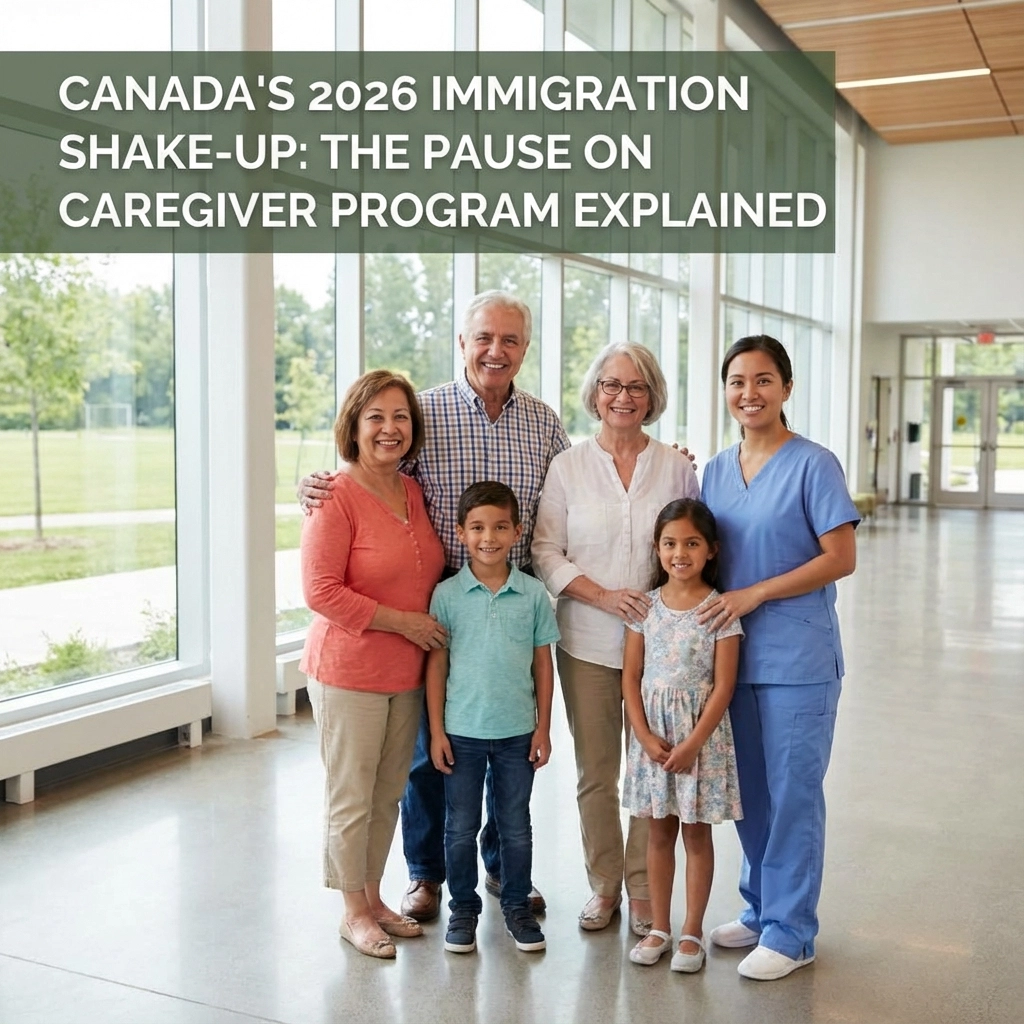
If you've been planning to apply through Canada's caregiver immigration programs in 2026, we have some significant news that's going to change your timeline. Immigration, Refugees and Citizenship Canada (IRCC) just announced a major pause on both the Home Care Worker Pilot and Child Care Worker Pilot programs, effective March 31, 2026, running through March 30, 2027.
This isn't just a minor delay – it's a complete one-year suspension of new applications that's catching thousands of prospective applicants off guard. But before you panic, let's break down exactly what this means, why it's happening, and most importantly, what alternatives are still available to you.
What Were These Caregiver Programs Anyway?
The Home Care Worker Pilot and Child Care Worker Pilot have been game-changers for foreign nationals seeking permanent residency in Canada. These programs offered a direct pathway to Canadian PR if you had a valid job offer in home care or child care sectors – no points system, no lottery, just meet the requirements and you're in.

Here's what made these programs so attractive:
- Direct PR pathway: Unlike other programs requiring multiple steps, these pilots led straight to permanent residency
- Essential worker recognition: Canada acknowledged the critical need for caregivers and created dedicated immigration streams
- Reasonable requirements: High school diploma, language proficiency, and relevant work experience or training
- Family-friendly: Successful applicants could include their spouse and dependent children
The programs were designed to run for up to five years, operating on a first-come, first-served basis with annual caps on permanent residence visas. Sounds pretty straightforward, right? Well, that's exactly what created the problem.
Why the Sudden Pause?
The success of these programs became their downfall. When IRCC opened applications in 2025, something unprecedented happened – the annual caps were hit within hours. We're talking about thousands of applications flooding in faster than the system could handle.
Think about it: imagine you're running a popular restaurant and suddenly every person in the city wants to eat there at the exact same time. That's essentially what happened to IRCC with these caregiver programs. The overwhelming demand forced them to make a tough decision – pause everything for a year to figure out how to manage this massive interest.
The Ministerial Instructions published in the Canada Gazette make it clear: IRCC simply couldn't keep up with the extraordinary demand while maintaining fair processing standards. Rather than creating chaos with constant system crashes and frustrated applicants, they chose to implement a strategic pause.
What This Means for You Right Now
If you were banking on applying through these programs in 2026, this news definitely stings. You're looking at waiting until March 31, 2027, for the next intake period – assuming the programs reopen as planned.

But here's where we need to shift from disappointment to action. Sitting around waiting for over a year without exploring alternatives isn't just risky – it's potentially devastating for your immigration goals. Immigration policies change, program requirements shift, and opportunities can disappear while you're waiting.
The reality is that many caregivers were already putting all their eggs in one basket, and this announcement proves why that's never a good strategy. You need backup plans, and fortunately, Canada offers several other pathways that might actually work better for your situation.
Your Alternative Pathways (They're Actually Pretty Good)
Don't let anyone tell you the caregiver programs were your only shot at Canadian immigration. In fact, some of these alternatives might get you to PR faster:
Express Entry System
This points-based system includes the Canadian Experience Class and Federal Skilled Worker streams. If you've been working as a caregiver in Canada or have international experience, you might already qualify. The beauty of Express Entry? Draws happen regularly, and if you meet the cut-off score, you're invited to apply immediately.
Provincial Nominee Programs (PNPs)
Here's where things get really interesting. Provinces like British Columbia and Saskatchewan have specific streams targeting healthcare workers and caregivers. These programs often have lower language requirements and different scoring systems than federal programs, potentially making them more accessible.
Temporary Work and Study Permits
Sometimes the best route to PR is indirect. Getting a work permit allows you to build Canadian experience, improve your English or French, and potentially qualify for other immigration streams down the line. Plus, you're earning Canadian income while working toward your immigration goals.

Family Sponsorship
If you have Canadian relatives willing to sponsor you, this could be your fastest route to permanent residency. The process is straightforward, and unlike economic immigration programs, it doesn't depend on changing policies or annual caps.
The Bigger Immigration Picture
The caregiver program pause isn't happening in isolation. Canada is making several adjustments to its immigration system that you should know about:
Start-Up Visa Program: This business immigration stream stops accepting new applications on December 31, 2025, though existing applicants can still apply until June 30, 2026, if they have valid commitment letters.
Self-Employed Persons Program: This program's pause, which started in April 2024, has been extended indefinitely as IRCC works through existing application inventories.
These changes are part of Canada's broader strategy to manage application volumes and align immigration programs with current economic needs. The government isn't reducing immigration – they're optimizing it.
What You Should Do Next
First, don't panic. Yes, this changes your timeline, but it doesn't end your Canadian immigration dreams. Here's your action plan:
Assess your current situation: Where do you stand with language tests, education credentials, and work experience? These factors affect all immigration programs, not just the caregiver pilots.
Explore multiple pathways simultaneously: Don't make the same mistake twice. Research Express Entry, PNPs, and other options while staying informed about the caregiver programs.
Consider temporary status first: Getting to Canada on a work or study permit can open doors to permanent residency through other streams.
Stay updated on policy changes: Immigration policies evolve constantly. What's not available today might become available tomorrow, and vice versa.

Get professional help: With so many moving parts and changing policies, working with a regulated immigration consultant can save you time, money, and heartache.
The Silver Lining
While this pause is disappointing, it might actually force you to consider better options. The caregiver programs, despite their popularity, had limitations – annual caps, specific job requirements, and intense competition. Some alternative pathways offer more flexibility, faster processing, or better long-term prospects.
Plus, when the programs do reopen in 2027, IRCC will likely have implemented improvements to handle demand more efficiently. You might face less competition and a smoother application process.
Looking Forward
Canada's immigration system is constantly evolving, and these changes reflect the government's commitment to managing programs effectively rather than abandoning them. The one-year pause gives IRCC time to implement solutions that could make these programs even better when they return.
Your immigration journey doesn't have to stop because one program is paused. Canada needs skilled workers, including caregivers, and multiple pathways remain open to help you achieve your goals.
Remember, every successful immigrant has faced obstacles and changed course when necessary. This pause might actually redirect you toward a better, faster route to Canadian permanent residency.
This analysis is provided by Mac Virgilio Pagaduan Jr, RCIC R533465, CEO and President of Canada Vertex Immigration Ltd. Member of CAPIC. For personalized guidance on your immigration options, contact our team to explore the pathways that best suit your situation.